Olives are picked across Tuscany from late October through November, and the new oil (olio nuovo) is ready in the same weeks: bright green, intensely fragrant, with a bitter and peppery bite. Near Siena you can watch the pressing in person and taste the oil straight from the mill, warm on fresh bread, at a handful of olive mills open to visitors.
When is new olive oil made in Tuscany?
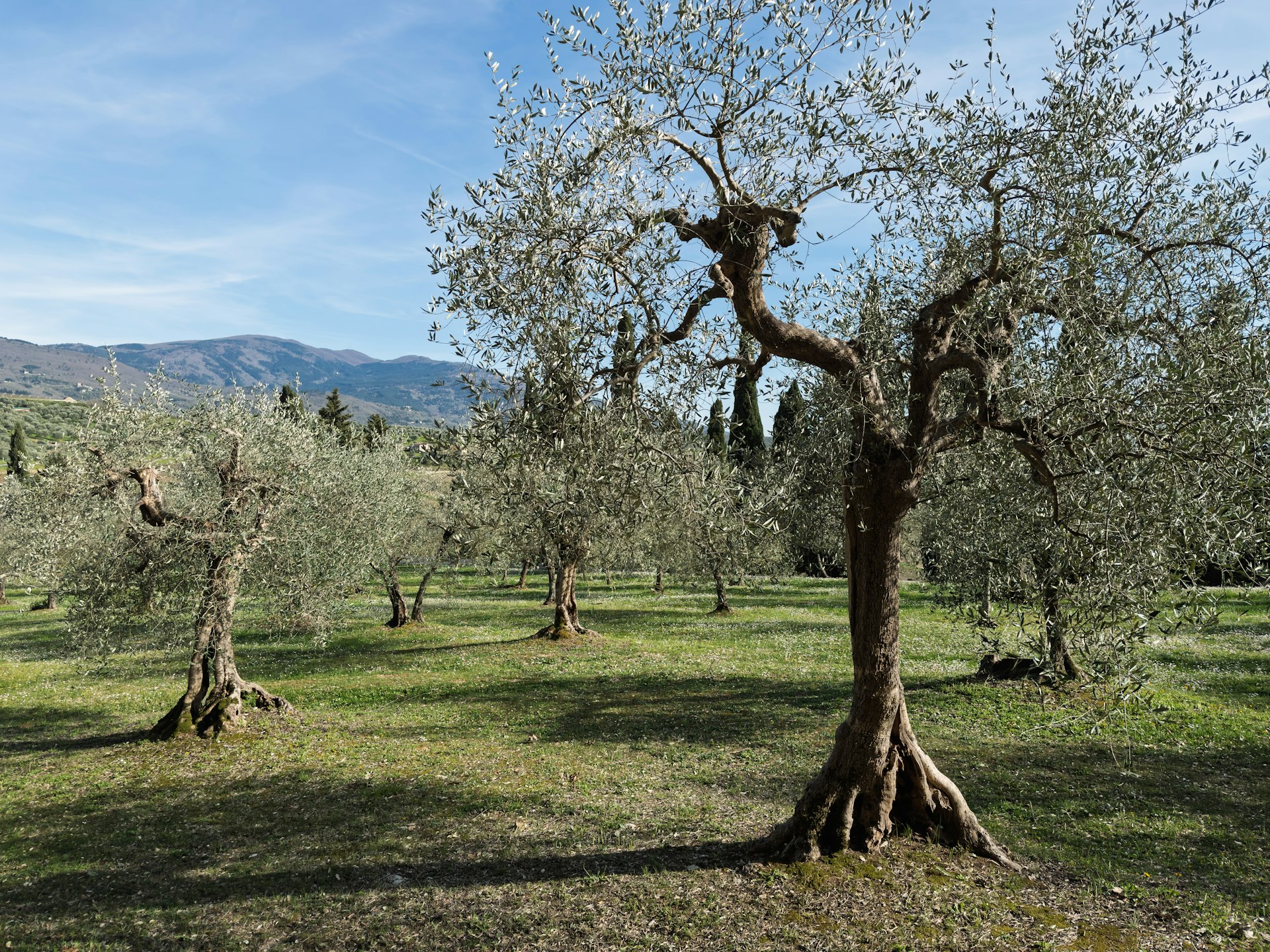
The olive harvest traditionally runs from late October through November. For oil certified under the Terre di Siena DOP label, the olives must be picked healthy straight from the tree by 31 December, kept for no more than three days in a cool, ventilated room, and pressed within twenty-four hours of arriving at the mill, known locally as a frantoio (source: Terre di Siena DOP Consortium, via Visit Tuscany). During these weeks the mills run day and night to keep up with growers queuing to have their own olives pressed (Visit Tuscany).
In several parts of Tuscany, including the Valdichiana Senese, olives are still picked by hand, using small rakes and baskets tied around the waist, and only partly with machinery designed to be gentle on both the fruit and the tree. It is work that often involves whole families, through the first cold days of November, and it stops whenever the weather does not allow it (Visit Tuscany).
What is new olive oil and what does it taste like?
New oil is the first pressing of the season. It has a bright green colour that turns yellow over the following months, a fresh and intense aroma, and a bitter, peppery taste that comes from its youth (Visit Tuscany). The best way to get to know it is raw, poured over a slice of toasted Tuscan bread.
What is Terre di Siena DOP olive oil?
This designation covers the province of Siena, except for the Chianti Classico wine area (Visit Tuscany). It is pressed from several olive varieties, including Frantoio, Correggiolo, Moraiolo and Leccino. Its colour ranges from green to yellow, the aroma is fruity, and the taste carries bitter and peppery notes. In the kitchen, it is poured raw over ribollita (a Tuscan bread and vegetable soup), panzanella (a bread and tomato salad) and pinzimonio (raw vegetables dipped in oil).
A stay during the pressing weeks. Booking direct gets you the best rate, 10% off and breakfast included.
Where can you taste new olive oil near Siena?
The simplest way to see the pressing and taste the oil fresh is to visit a mill that welcomes the public. During the pressing weeks, mills keep a tight schedule of bookings from local growers, so it is worth reserving your visit and tasting a few weeks ahead (Visit Tuscany).
| Where | Distance from Siena | What you can do |
|---|---|---|
| Frantoio di San Gimignano | about 50 minutes by car | An interactive tour on olive oil production and a tasting on Tuscan bread, with pecorino cheese and Olivello liqueur (booking required) |
| Valdichiana Senese (Montepulciano, Castelmuzio) | about an hour by car | Mills open to visitors during the pressing season, with a taste of new oil on crusty bread |
In San Gimignano, the Frantoio di San Gimignano runs an interactive tour in Italian and English, including a virtual flight over the olive groves, a look at how production has changed from past to present, and, by reservation, a tasting of extra virgin olive oil with Tuscan bread, pecorino cheese aged under olive leaves, and Olivello, a liqueur made from the leaves of the olive tree (Frantoio di San Gimignano). In the Valdichiana Senese, around Montepulciano and in the small hamlet of Castelmuzio, part of Trequanda, several mills open their doors to visitors during the pressing, with bread toasted by the fire (Visit Tuscany). From the villa, you reach them on the road towards Siena and the Valdichiana, with free parking on your return among the property’s forty spaces.
What do Tuscans eat with new olive oil?
New oil is used mostly raw: over ribollita, over panzanella, in a pinzimonio of raw or cooked vegetables, on crostini topped with beans, in bean soups, and on schiacciata, a low, crisp flatbread (Visit Tuscany). It is also the base for end-of-season preserves in oil, from small artichokes to aubergines, and when cooked it goes into roasts, stews and frying (Visit Tuscany). At the villa’s restaurant, dinner runs from 7pm to 10pm, closed on Mondays and Tuesdays, with Mediterranean cooking and traditional Italian dishes: a fitting end to a day among the olive groves.
Where to stay for a trip among the olive mills?
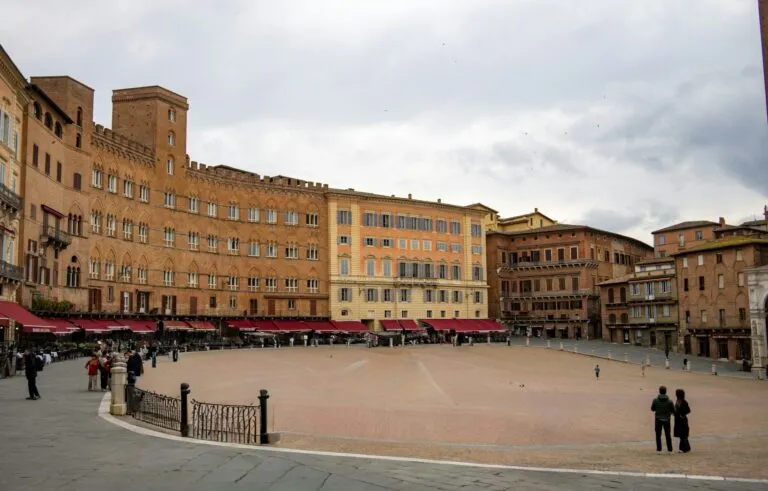
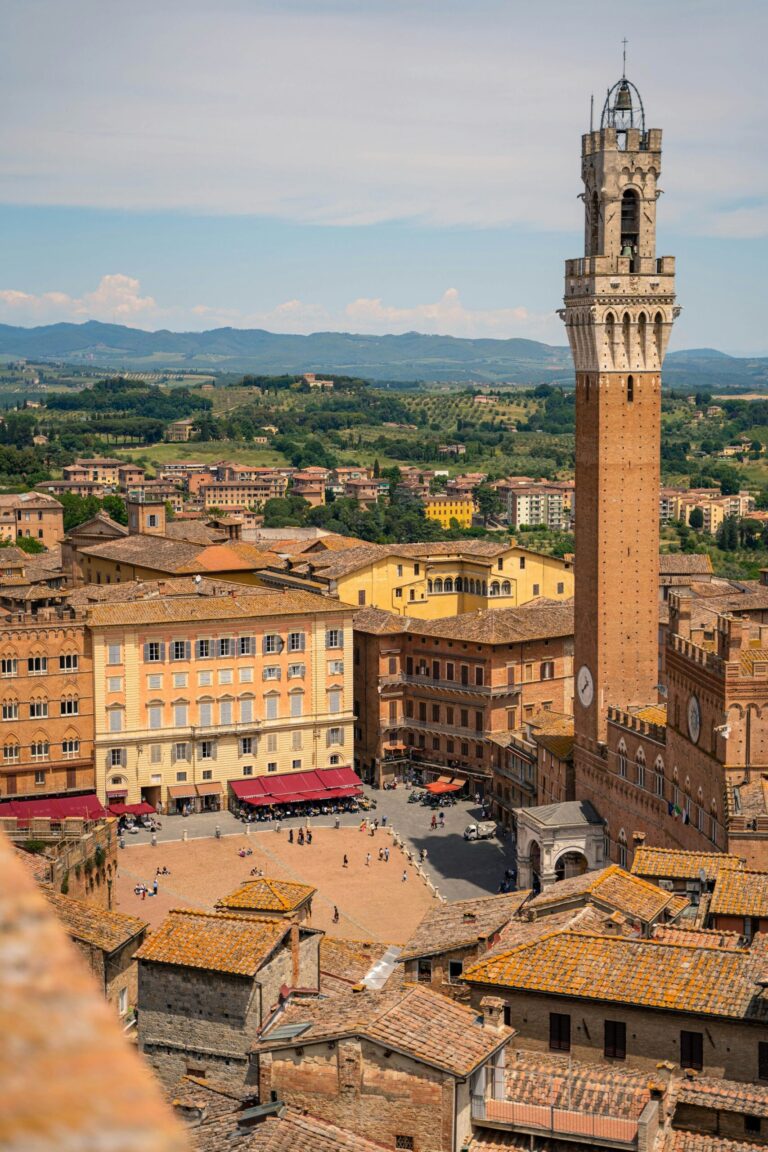
Hotel Villa L’Avvenire is a 19th-century villa with a 9,500 square metre park in Siena, 15 minutes from Piazza del Campo (the shell-shaped square where the Palio horse race is run). The eleven rooms and suites range from 21 to 180 square metres, each with air conditioning, a minibar and free Wi-Fi. The villa welcomes adult guests only, and pets are allowed if you mention them when booking. Parking, forty spaces inside the property, is free and needs no reservation. If you are flying in, a private transfer with a dedicated driver can be arranged to and from Florence and Pisa airports, on request, once you share your date and flight. Check-in is from 3pm, check-out by 11am, with late check-out on request and subject to availability: useful after a day that ends late between one mill and the next.
A convenient base for exploring Siena and the mills of the province. Book direct for free cancellation up to 10 days before arrival and a welcome glass of sparkling wine.
The rooms and suites are a good starting point for drives out to the Valdichiana Senese and San Gimignano.
Frequently asked questions
When are olives harvested in Tuscany?
Traditionally from late October through November. For Terre di Siena DOP oil, olives must be picked by 31 December and pressed within twenty-four hours of arriving at the mill.
What is new olive oil?
It is the first oil of the season, freshly pressed: bright green, with a fresh, intense aroma and a bitter, peppery taste. It is best enjoyed raw, on a slice of toasted Tuscan bread.
Where can you watch the olive pressing near Siena?
At the Frantoio di San Gimignano, with an interactive tour and a tasting by reservation, and at mills in the Valdichiana Senese, around Montepulciano and Castelmuzio, open to visitors during the pressing.
What do Tuscans eat with new olive oil?
It is used raw over ribollita, panzanella, in a pinzimonio, on crostini and bruschetta, and as the base for end-of-season preserves in oil.