
In Siena you eat pici, a thick hand-rolled pasta made from just flour and water, cured meats from the Cinta Senese pig, pecorino sheep’s cheese from Pienza and, to finish, panforte and ricciarelli, the city’s two traditional sweets, both protected by an IGP label (the EU’s Protected Geographical Indication). The base is Tuscan country cooking, generous with garlic and rosemary. Here’s what to order, dish by dish, and which sweets are worth taking home.
What are the typical dishes to order in Siena?
Sienese cooking starts from dishes you’ll find across Tuscany: ribollita (a thick bread and vegetable soup), arista (roast pork loin) and fagioli all’uccelletto (stewed beans). What makes it recognisable is the garlic and the herbs, rosemary above all, as the regional tourist board’s guide to the flavours of Siena points out.
A trattoria is a simple, family-style restaurant, and the menu is usually split into antipasti (starters), primi (pasta and soups) and secondi (meat). If you only have one meal, this is the order that makes the most sense:
- a board of Cinta Senese cured meats and pecorino as a starter;
- a plate of pici as your primo;
- a glass of local red;
- panforte or ricciarelli with your coffee.
What are pici, and how are they served?
In Siena, pasta means pici: fat spaghetti rolled by hand to whatever length the cook wants. The traditional recipe is a poor one, just flour and water, with no egg. On menus you’ll usually see four classic sauces:
- al ragù di chianina, a meat sauce made with Chianina, the Tuscan breed of cattle;
- al ragù di nana (duck) or di selvaggina (game);
- all’aglione, with tomato and aglione, a very large, mild variety of garlic;
- con le briciole, with Tuscan breadcrumbs toasted in a pan with a little extra virgin olive oil.
The breadcrumb version is the simplest, and it shows the spirit of a cuisine born in the countryside.
Which cured meats and cheeses should you try?
Pride of place goes to Cinta Senese DOP (DOP is the EU’s Protected Designation of Origin). It’s a black pig with a white band around its chest and shoulders, the “cinta” or belt that gives it its name. The pigs graze in woodland and open land, and the breed has been in Tuscany for centuries: one appears in Ambrogio Lorenzetti’s fresco of the Effects of Good Government (1338-40), inside Siena’s Palazzo Pubblico, the medieval town hall. According to Visit Tuscany, the DOP production area covers the whole of Tuscany up to 1,200 metres above sea level.
On a meat board, look for prosciutto (cured ham), capocollo (cured neck), finocchiona (salami with fennel), rigatino (cured belly), gota (cured cheek) and dry-cured sausages.
For cheese, the province of Siena makes many kinds of pecorino. Pecorino Toscano DOP is produced across the region; Pienza pecorino aged in barrique is made from the milk of Sardinian-breed sheep and takes a tannic finish from the oak barrels, with light notes of grape pressings.
What wine goes with Sienese food?
Some of Italy’s best-known reds are made around Siena: Chianti reds, Brunello di Montalcino and Vino Nobile di Montepulciano. With pici in a meat sauce and Cinta cured meats, a Chianti red is the natural match.
Less well known, Bianco della Val d’Arbia is a white made between the Chianti Classico area, the Chianti Colli Senesi area and the Val d’Arbia valley, with roots in traditional white Chianti. It works as an aperitivo and with vegetables, soups and white meat.
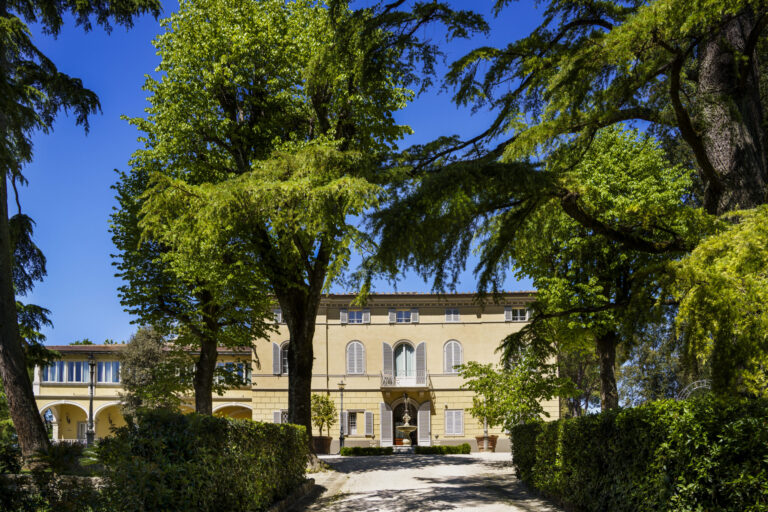
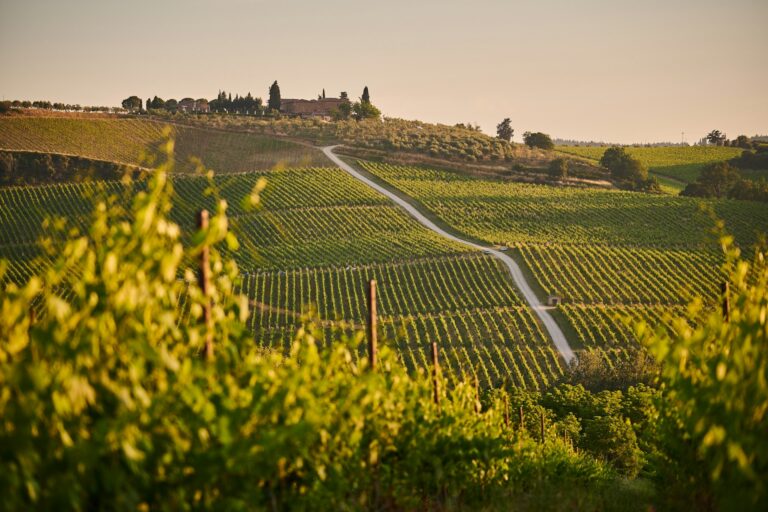
The Chianti wine road is 30 minutes’ drive from the villa. If you’re planning a winery visit, arrange a driver or a designated driver for the day.
What are the traditional sweets of Siena?
The city’s two signature sweets are panforte and ricciarelli, both IGP and made only in the province of Siena.
Panforte is medieval in origin: a chronicle dated 7 February 1205 already mentions it as panpepato (“peppered bread”), because of the pepper and spices in the mix. Today’s recipe dates from 1879, when it was made in honour of Queen Margherita, who was in Siena for the August Palio: fewer spices and a coating of icing sugar. Since then it has also been known as white panforte or panforte Margherita, according to the Tuscany Region product sheet.
Ricciarelli descend from the marzipan sweets that Siena’s apothecaries were already selling in the fifteenth century. They’re lozenge-shaped, dusted with icing sugar and soft inside. Recipe no. 629 in Pellegrino Artusi’s classic Italian cookbook (1891) already carries the name “Ricciarelli di Siena” (source: Tuscany Region).
| Sweet | Main ingredients | Protection |
|---|---|---|
| Panforte di Siena | candied and dried fruit, honey, spices, icing sugar | IGP since 2013 (EU Reg. 466/2013) |
| Ricciarelli di Siena | almonds, sugar, egg white | IGP since 2010 (EC Reg. 229/2010) |
| Copate | almond brittle between two thin wafers | Sienese tradition |
| Pan co’ Santi | sweet bread with dried fruit and spices, made in autumn | All Saints’ Day tradition |
Panforte is the classic Christmas sweet, but in Siena you’ll find it all year round. If you’re in town in October or November, look out for pan co’ Santi in the bakeries, made for All Saints’ Day on 1 November.
Pici for lunch in town, panforte with your coffee and the villa’s park in the evening. Booking on our website gets you the best rate guaranteed, 10% off and breakfast included.
Where to have dinner after a day in the city?
The villa’s restaurant serves dinner from 7pm to 10pm, with Mediterranean cooking and traditional Italian dishes; it’s closed on Mondays. You can book a table online on the book a table page.
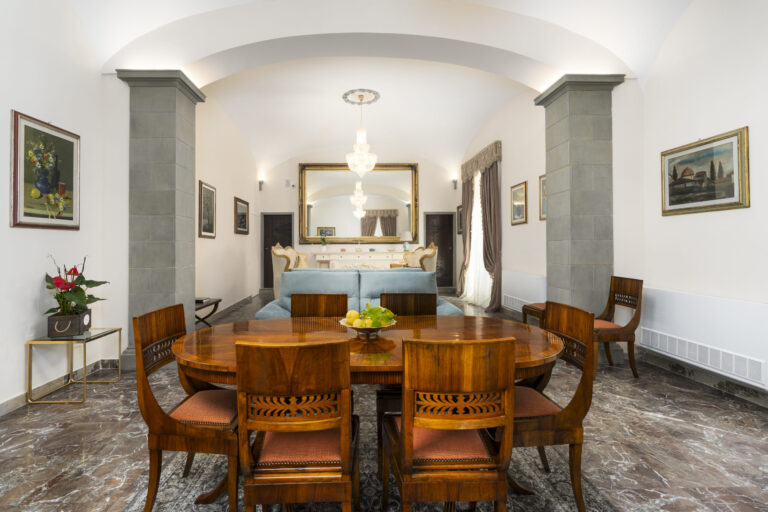
On the evenings it’s closed, Piazza del Campo (the shell-shaped square where the Palio is run) is 15 minutes’ drive away, and when you get back you’ll find one of the forty free parking spaces inside the property, no booking needed. The rooms and suites range from 21 to 180 square metres in the Imperial Suite, all with air conditioning, minibar and tea station.
A weekend of Sienese food is easier to plan from a quiet base outside the centre. Booking direct gives you free cancellation up to 10 days before arrival and a glass of welcome spumante when you arrive.
Frequently asked questions
What is Siena's signature dish?
Pici: thick hand-rolled spaghetti made from flour and water, served with a Chianina beef or duck ragù, with game, with aglione garlic and tomato, or with toasted breadcrumbs.
What are the traditional sweets of Siena?
Panforte and ricciarelli, both IGP and made only in the province of Siena. In autumn you'll also find pan co' Santi, baked for All Saints' Day.
What's the difference between panforte and ricciarelli?
Panforte is a flat cake of candied and dried fruit, honey and spices under icing sugar; ricciarelli are small, soft lozenge-shaped sweets made from almonds, sugar and egg white.
What is Cinta Senese?
A black pig breed with a white band around its chest and shoulders, raised outdoors and protected as a DOP product. It's used for prosciutto, capocollo, finocchiona and other cured meats.